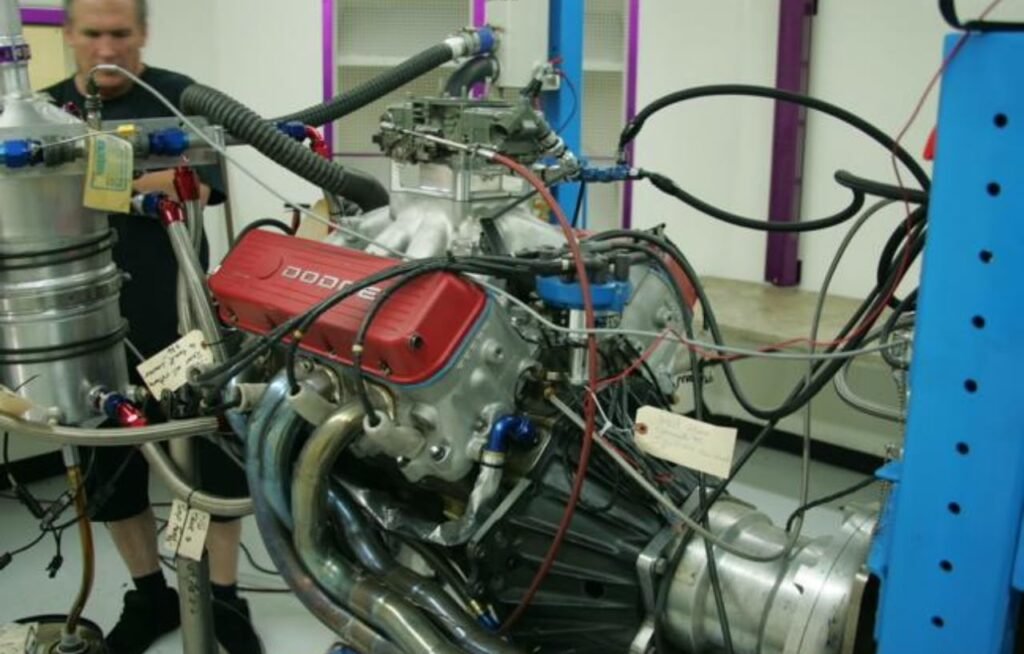
Learn about the r5p7 motor: performance, horsepower potential, and buying tips.
Additionally, learn about the r5p7 motor and its results.
Additionally, this overview covers horsepower potential and RPM considerations. It explains how the r5p7 motor suits street-car builds.
It also discusses fuel, transmissions, and important buying tips to help you choose and compare models.
Suggested URL Slug:
r5p7-engine-guide-specs-power-performance
Focus Keyword:R5P7 engine
⸻
r5p7 motor engine: what makes it popular?
The r5p7 motor has become a popular subject among performance-car enthusiasts. They seek serious naturally aspirated V8 performance and a platform built around a specific power, reliability, and intended use.
Whether you’re building a street car, drag car, road-racing project, or high-performance weekend vehicle, the engine combination matters for reliability.
Displacement, compression ratio, cylinder heads, camshaft, intake, fuel, ignition, and engine management all work together for the overall r5p7 motor.
For anyone considering an R5P7 engine, understanding how these components interact is one of the most important parts of choosing the right setup.
What Is an R5P7 Engine?
An R5P7 is generally discussed in the performance-engine world as a high-performance V8 platform. However, specifications can vary significantly depending on the particular engine, builder, and modifications.
That means two engines carrying the R5P7 name may not produce the same power or have the same operating characteristics.
Before purchasing an engine, it is important to verify the actual specifications of the specific build, including:
- Engine displacement
- Compression ratio
- Camshaft specifications
- Cylinder-head specifications
- Intake manifold
- Throttle bodies or carburetion
- Fuel system
- Ignition system
- ECU or engine-management system
- Crankshaft and connecting rods
- Pistons
- Oil system
- Dyno-tested horsepower and torque
These details provide a much clearer picture of what an engine can actually do.
How Much Horsepower Can an R5P7 Make?
One of the most common questions about the R5P7 is horsepower.
There isn’t one universal horsepower number for every R5P7 engine because horsepower depends heavily on the combination.
A larger-displacement engine with an aggressive camshaft, properly matched cylinder heads, a high-flow intake system, sufficient fuel delivery, and an appropriate compression ratio can produce substantially different results from a milder street-oriented combination.
Dyno results are particularly useful because they provide real measurements from a specific engine rather than relying only on theoretical estimates.
When evaluating dyno results, don’t look only at peak horsepower. The torque curve, horsepower curve, RPM range, air/fuel ratio, and conditions under which the engine was tested can all provide useful information.
R5P7 440ci Builds
A 440ci R5P7 combination is especially interesting for enthusiasts looking for a high-performance street-car engine.
Increasing displacement can provide significant advantages because displacement affects the amount of air and fuel an engine can process. However, displacement alone doesn’t determine horsepower.
A properly matched 440ci combination should consider the entire engine package.
For example, the camshaft needs to work with the cylinder heads and intake system. The compression ratio needs to be appropriate for the intended fuel. The fuel system needs to supply enough fuel at the engine’s maximum demand, and the engine-management system needs to be properly calibrated.
The goal should be a balanced combination rather than simply installing the largest possible components.
What RPM Can an R5P7 Safely Turn?
Another frequently discussed topic is RPM.
There is no single universal RPM limit that should automatically be applied to every R5P7 engine.
The safe operating range depends on components such as:
- Connecting rods
- Pistons
- Crankshaft
- Valve springs
- Valvetrain
- Camshaft
- Rod bolts
- Balancing
- Oil-control system
- Engine assembly
- Intended duty cycle
A dyno sheet can provide useful information about where an engine makes power, but the maximum safe RPM should ultimately be determined from the specifications of the actual engine and its components.
For a street car, an engine does not necessarily need to operate at the highest possible RPM. A well-designed combination can provide strong power throughout the RPM range that the vehicle actually uses.
Choosing the Right Fuel
Fuel selection is another important consideration when building or purchasing an R5P7.
The appropriate fuel depends on the compression ratio, ignition timing, engine design, operating conditions, and tuning strategy.
Higher-compression combinations can require fuel with greater resistance to detonation. The fuel system also needs to be capable of supplying the required volume and pressure.
If an R5P7 has been dyno tested, check the dyno documentation for information about the fuel used during testing. This is important because changing fuel can require changes to the tune.
Never assume that the fuel used during a dyno session is automatically the correct fuel for every application.
R5P7 Street-Car vs. Race-Car Setup
A street-car R5P7 should be designed around how the vehicle will actually be driven.
A race engine can be optimized for a narrower operating range, while a street engine may benefit from stronger low- and mid-range torque, manageable idle characteristics, reasonable operating temperatures, and components selected for repeated street use.
The right combination depends on the owner’s goals.
For a street car, consider:
- Driveability
- Cooling
- Oil control
- Fuel availability
- Transmission compatibility
- Rear-gear ratio
- Engine-management system
- Maintenance requirements
- Operating RPM
The best engine isn’t necessarily the one with the highest dyno number. It is the engine whose specifications match the vehicle and the way it will be used.
Choosing a Transmission for an R5P7
A high-performance engine needs a transmission that can handle the torque produced by the combination.
When choosing a transmission, consider the engine’s torque output, vehicle weight, tire size, intended use, gearing, and driving conditions.
Manual transmissions can provide a direct and engaging driving experience, while the appropriate automatic transmission can offer advantages depending on the application.
Transmission selection should be considered as part of the complete drivetrain rather than as an independent decision.
What to Check Before Buying an R5P7 Engine
R5P7 engine overview
If you’re considering purchasing an R5P7 engine, ask for as much documentation as possible.
Important information includes:
- Exact displacement
- Compression ratio
- Camshaft specifications
- Cylinder-head specifications
- Internal components
- Dyno sheet
- Fuel used during testing
- Maximum tested RPM
- Oil specifications
- Maintenance requirements
- Engine-management system
- Warranty or builder information
A detailed build sheet can be extremely valuable because it allows you to understand exactly what you’re buying.
A dyno sheet is also useful, but it should be considered together with the engine’s component specifications.
Final Thoughts
The R5P7 platform can be an exciting choice for a serious performance build, but the key to getting the most from an engine is building a combination where all of the components work together.
For a 440ci street-car build in particular, displacement, compression, camshaft, cylinder heads, intake, fuel, ignition, and tuning should all be selected with the intended use of the vehicle in mind.
Before buying an R5P7, don’t focus only on the advertised horsepower number. Look at the complete combination, ask for the build specifications, review the dyno information, and make sure the engine is appropriate for your vehicle and intended use.
At Speed Track Motors, we focus on performance engines, transmissions, and automotive performance parts for enthusiasts who want serious hardware for their builds.
Looking for an R5P7 engine or performance transmission for your project? Contact Speed Track Motors to discuss your build and find the right combination for your application.